

Rust and gall
Seeing the past with people who taught me how

Hello,
I hope you’re well wherever you’re reading this. Pour yourself a coffee. It’s Friday! Here, it has been a week, but plans and schemes take shape. The next month is full of travel but at the end of it I’ll be in India, starting my new job at Krea University. I’m looking forward to settling in and getting stuck into some new research projects. Right now, though, there is also time for friends and family. A holiday in Istanbul saw me back in the UK and taking a walk with my mom and dad and my cousin and his wife. There was sunshine and countryside and four of the people I love most in the world and, of course, history. It’s everywhere, I know, but we had a destination in mind!
The march of technology
The River Tern in Shropshire, in the English midlands, might not look like much. It’s not the widest, fastest or most famous of rivers.
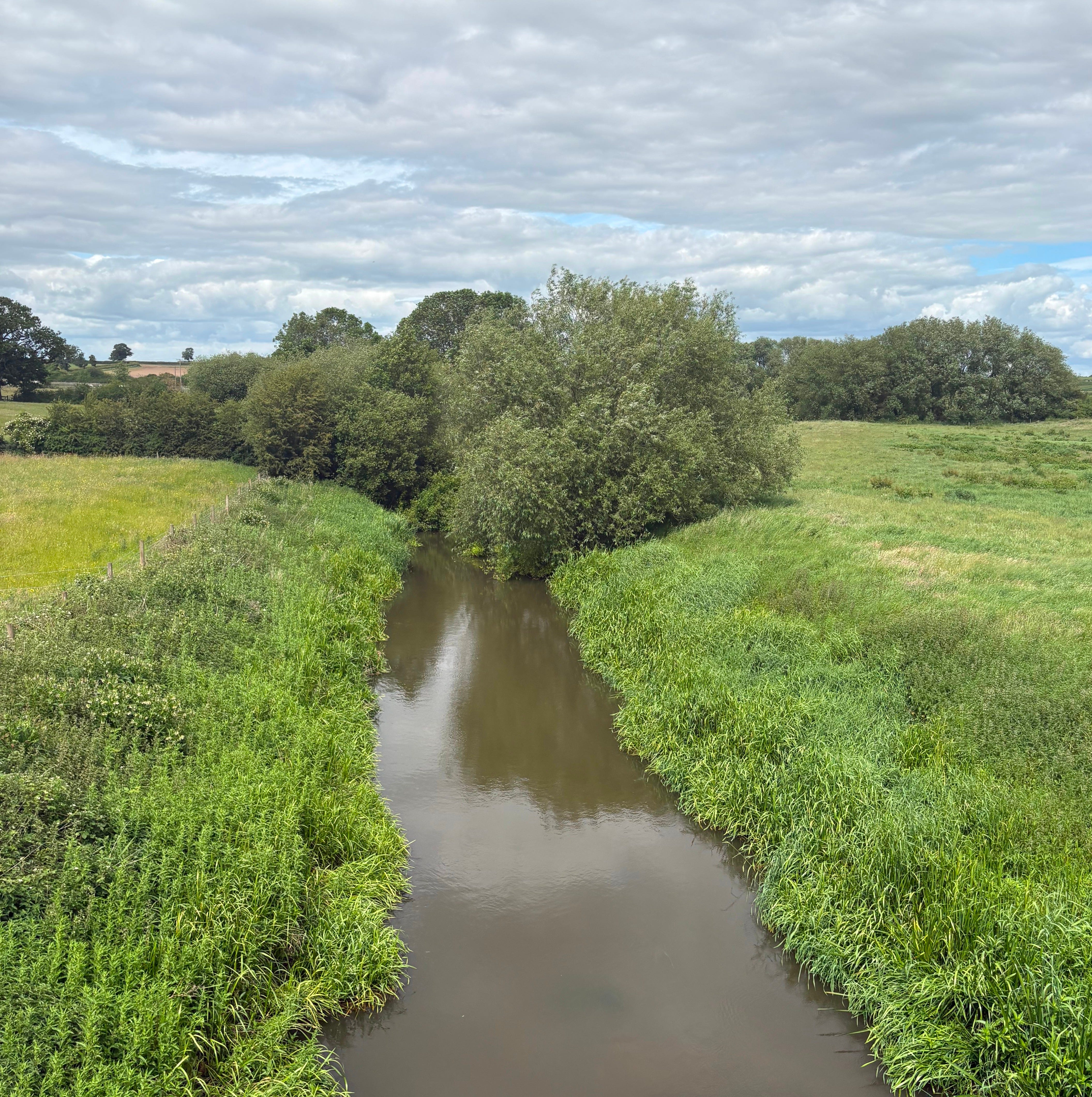
The thing is, big or small, a river is an obstacle. This river was a serious obstacle in the late 18th century. This was about two generations into the changes that would later be called the industrial revolution. Coal was beginning to look like black gold but to turn it into real gold, the coal had to reach somewhere where people could buy it and use it. Canals were the highways of this changing technological landscape. They may have been slow, with barges pulled at the pace of a horse, but the beauty of canals was that they could carry heavy goods, like coal, iron and newly produced consumer goods such as Staffordshire pottery, for a fraction of the cost of roads. One horse could pull a canal barge weighing tens of tonnes, whereas a team of horses could pull only a couple of tonnes in a wagon and even that was made more difficult because of rough road surfaces. (The Staffordshire pottery would not have fared well!)
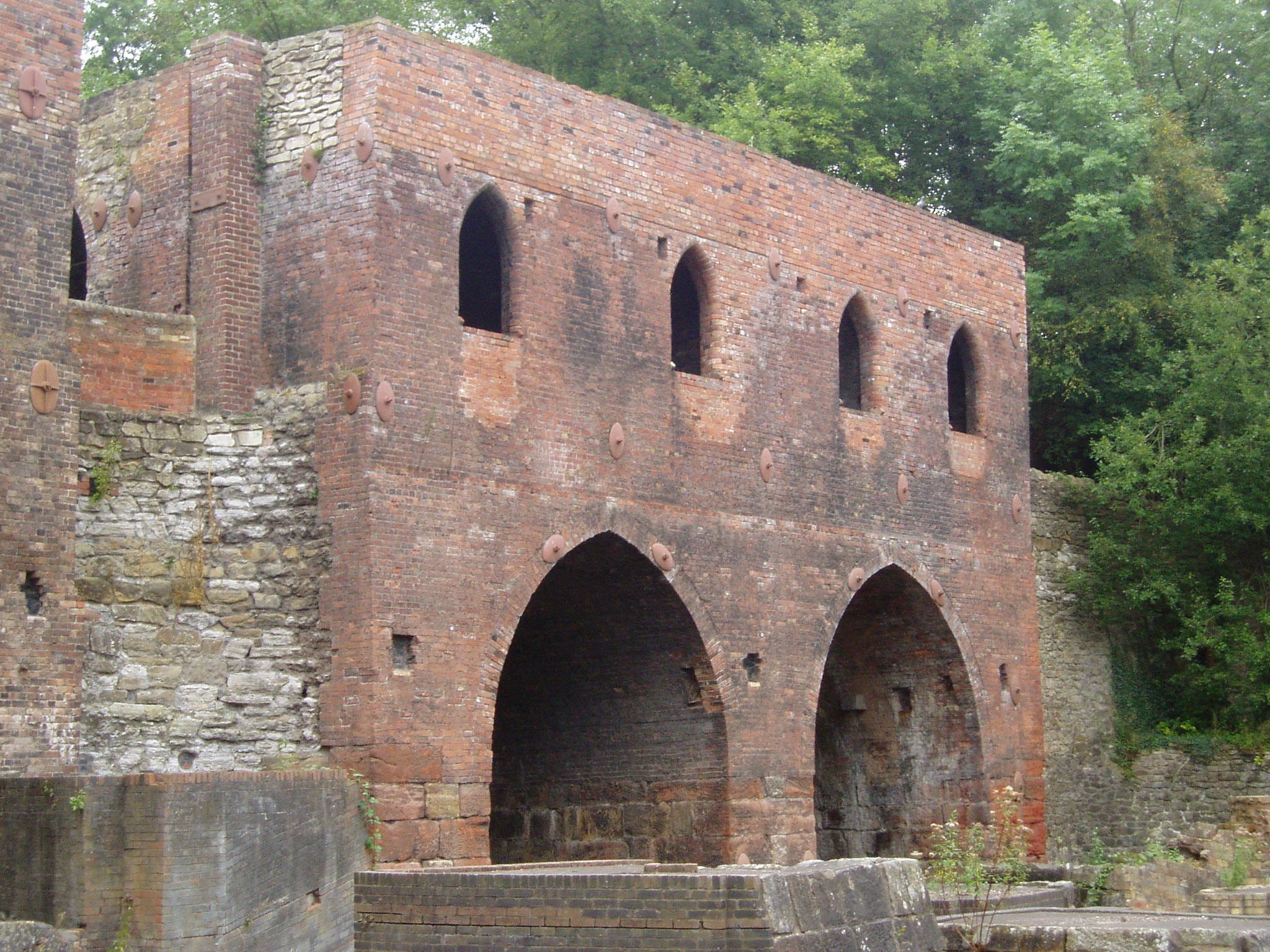
One canal was planned to connect the Coalbrookedale coal fields of east Shropshire with the historic Shropshire market town of Shrewsbury. From there, coal could be taken to various production centres, including the blast furnaces at Blists Hill, an extremely interesting museum site today. It is considered one of the earliest sites of the industrial revolution, with iron made in growing quantities since the early 1700s.
Along the route of this new aqueduct was the minor obstacle of the River Tern. It wasn’t insurmountable. The Romans had built aqueducts, after all. It was known technology. Stone and brick piers had already been built on either side, ready to support the aqueduct when, in 1795, the Tern flooded. That gentle stream became an impassable torrent and weakened the ground around it. Engineers decided a stone aqueduct would be too heavy. Ironically, though, the very iron that the coal carried by the canal would help to make was also the solution to the problem. A cast iron aqueduct would be much lighter. The plans were put in place quickly and two years later, just a few weeks later than another, shorter cast iron aqueduct that doesn’t survive today, the Longdon on Tern aqueduct was open for business.
Today it is empty but preserved as a public footpath. Remarkably, you can walk right in the aqueduct, on the thick sheets of cast iron that, in 1797, would have been dragged along country lanes by horses.
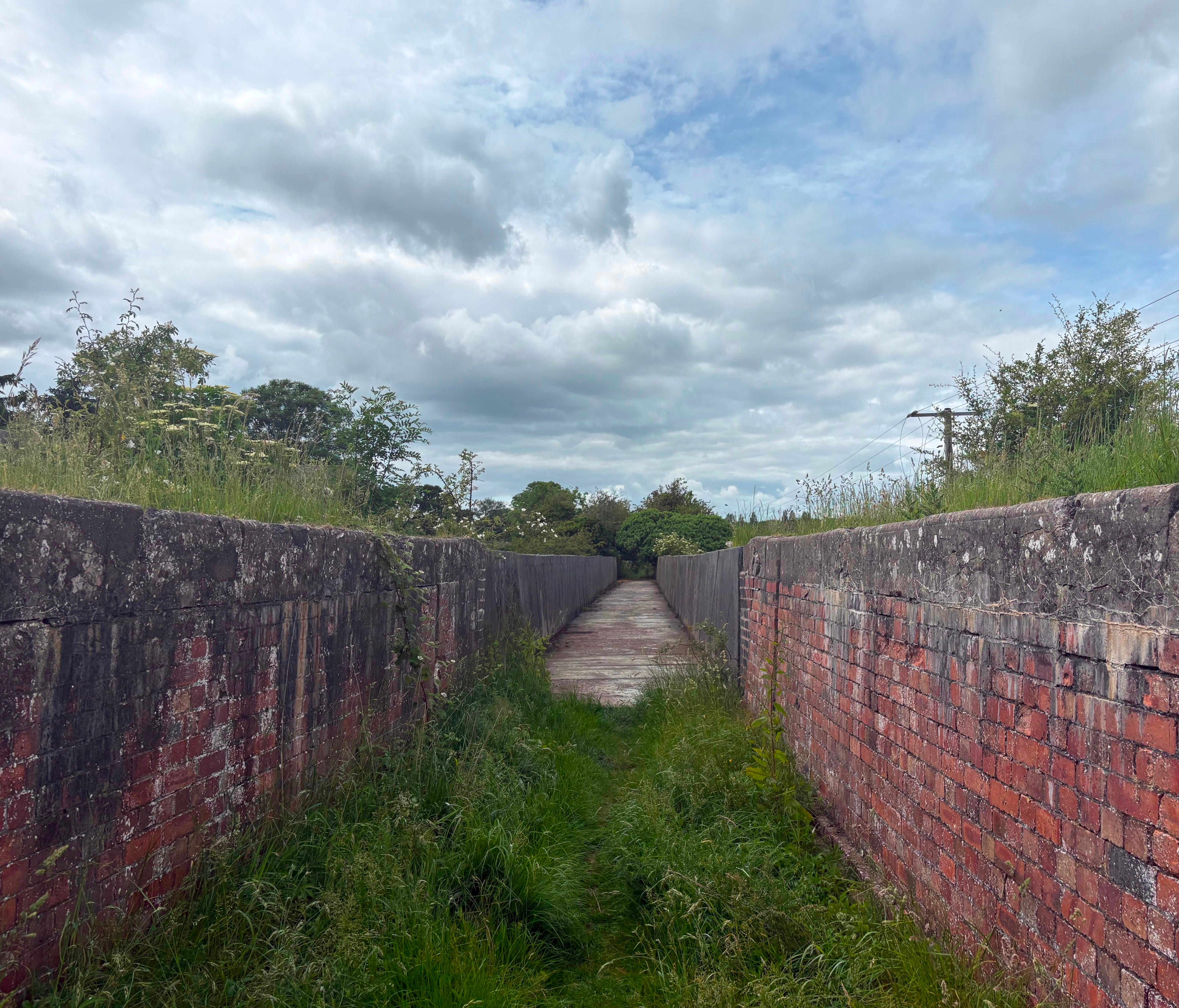
Horses, of course, were still a part of the picture. They had their own two path alongside the canal trough.
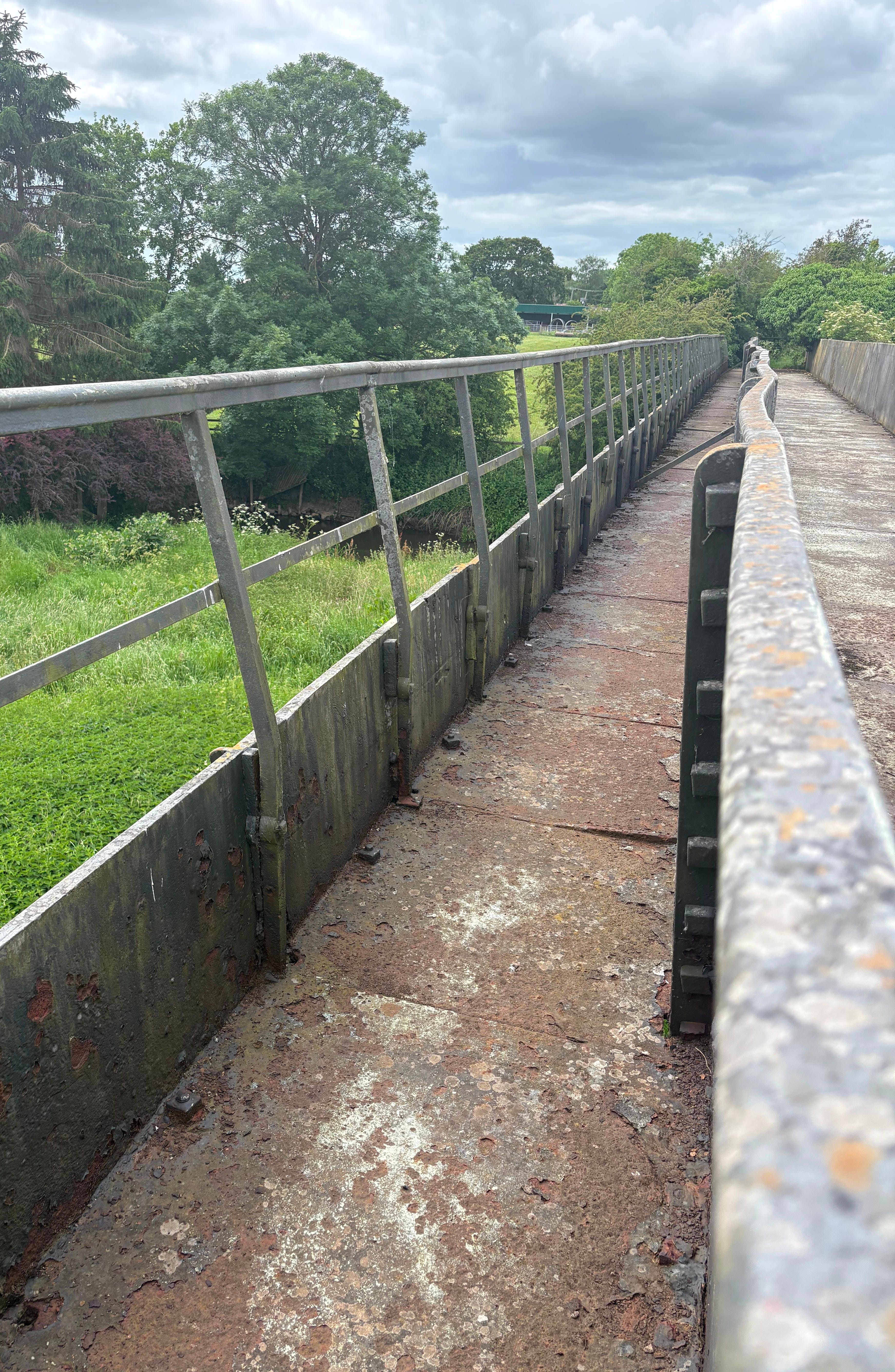
An empty canal is also a great opportunity to look at things that would usually be hidden. There are holes in the base plates of the aqueduct, so that it could be drained, cleaned and checked. But, of course, that meant being able to seal off the aqueduct from the rest of the canal, and that meant slides at either end for two pairs of gates.
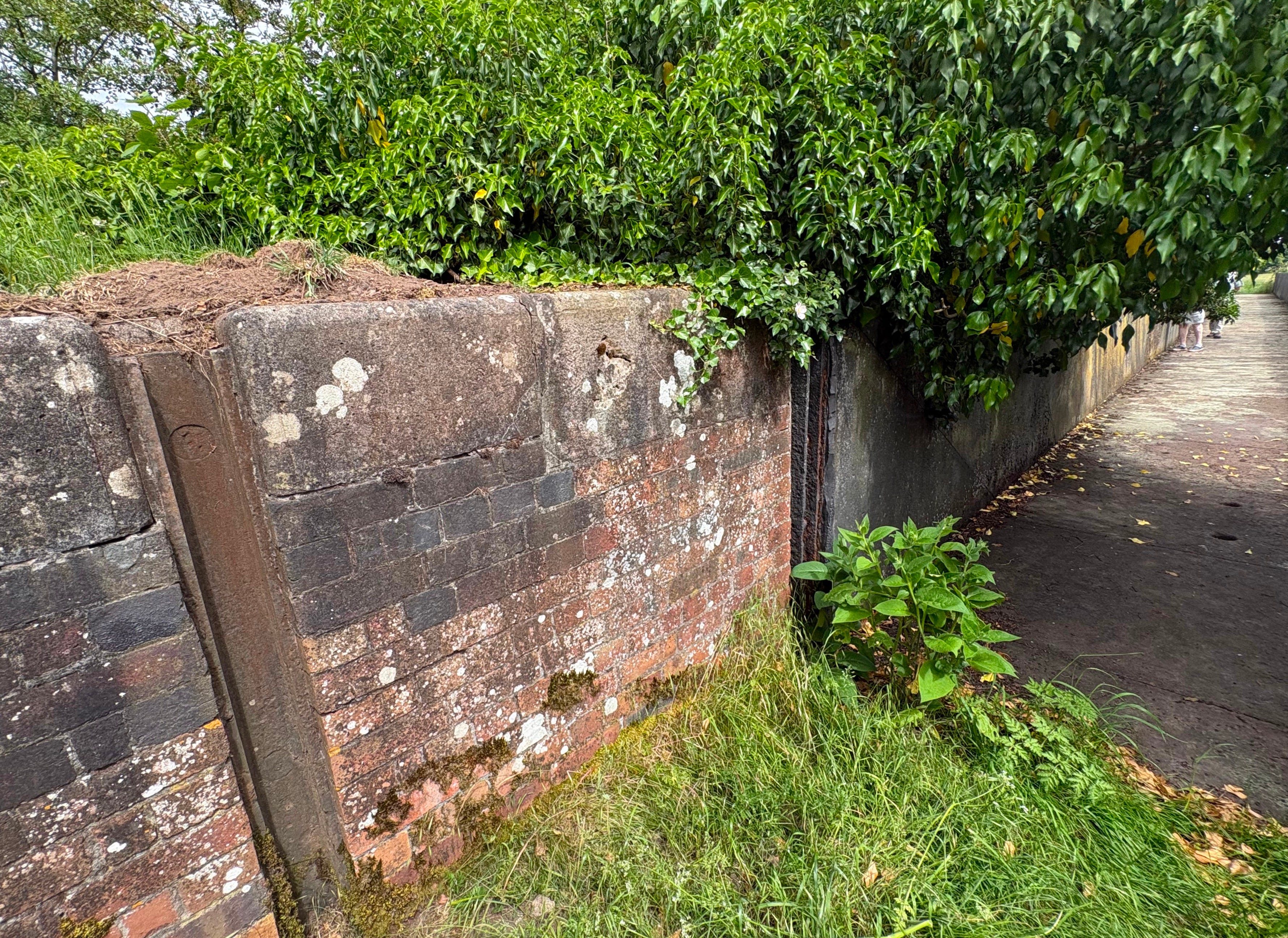
I grew up in the Midlands. Even though my research has taken be back in time and thousands of miles away, industrial heritage sparked my first fascination with how the past creates the fabric of our present. Sometimes it reveals big, bold patterns - the canals then the railways, the cathedrals and the factories of the past. Other times, it seems invisible, until you pull on a thread in the present - a turn of phrase, patterns of behaviour, soft shapes in the landscape that masquerade as nature - and find yourself pulled back through time.
Etched in acid
If it was the factory sites, the canal paths and the railway lines of the Midlands that first showed me how inseparable the past is from the present, it was my parents who first drew the lines for me. Telling stories of old buildings and routes or pointing out the distinctive shape of an old railway platform in what might just have been some overgrown bushes were part of walks and dinner conversations. These days I put in job applications that my research is about how the smallest things connect with the biggest stories. I tell those stories all over the world, but this week was a beautiful reminder of where, and from whom, I learned it first. So here’s one for mom and dad, from a small thing I might not have noticed to a big story from the worlds I now study.
As we walked along, heading for our goal, dad bent down and handed me one of these…
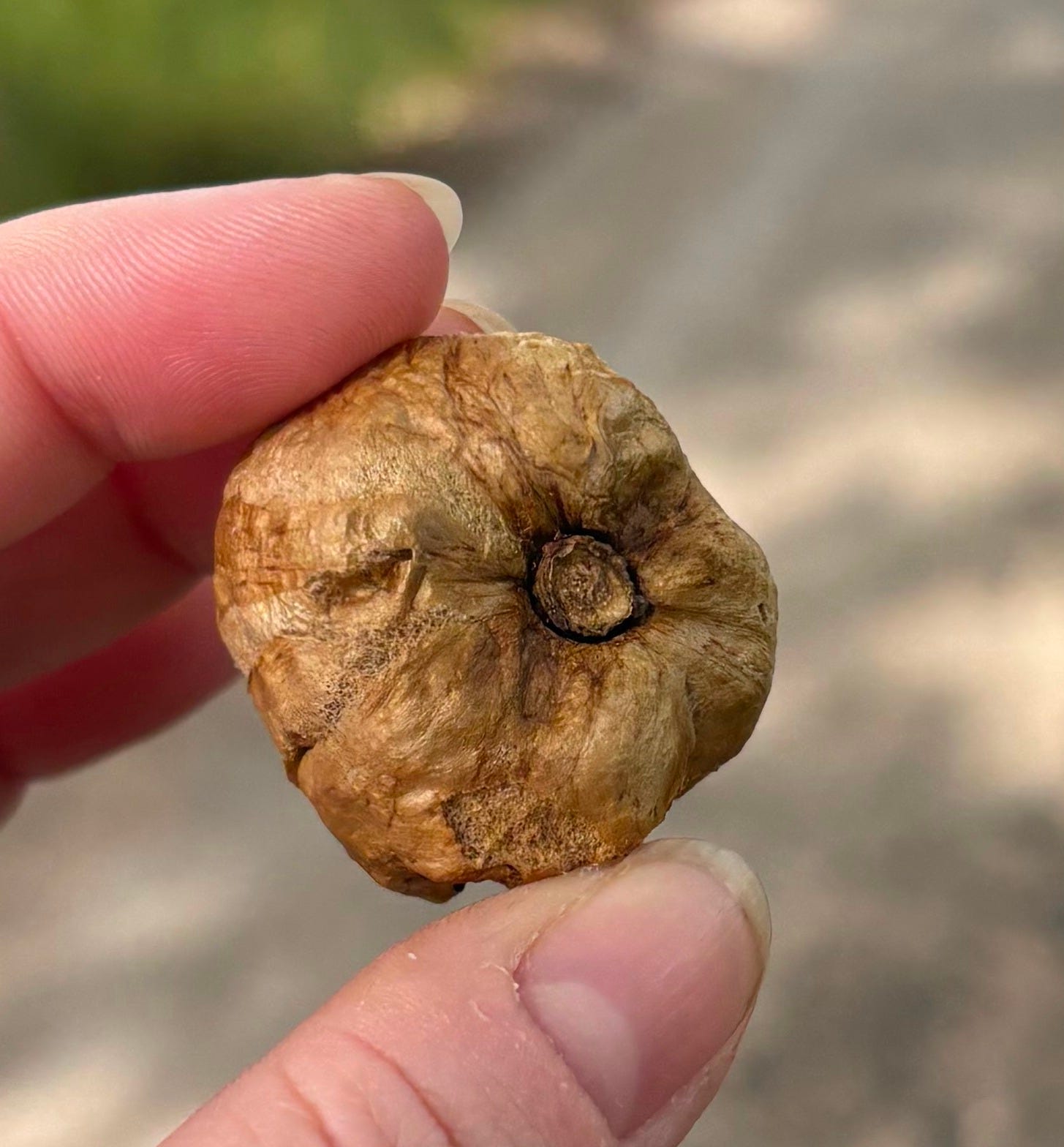
‘You know what that is?’ He said. I didn’t. ‘It’s what they used to make ink with,’ he replied. ‘An oak gall?’ said I. ‘That’s right.’
Held between my fingers was a tiny miracle of history and science. Galls (which can occur on lots of trees, not just oak) are basically tree warts: benign but abnormal growths, made from the tree’s own cells. They are usually a response to parasites, viruses, fungi, burrowing insects and such other nasties. For biologists they are interesting for how they form. There is even a term for people who study galls: cecidologist. (If you are a cecidologist reading this, please drop me a message!)
For a historian, though, and especially a medievalist, tree galls are exciting for a different reason. If you boil them, you get tannic acid. And if you mix tannic acid with iron sulphate, the iron reacts with the acid to create ferrous tannate. This is a pale grey-coloured solution but when it comes into contact with the air, the iron oxidises and turns a darker brownish-purple colour, which darkens over time. This, mixed with an adhesive agent of some sort (various kinds of tree sap, for example) was the basis for most inks used in the Mediterranean region and Europe from around the first century CE until the rise of synthetic inks in the last 100 years or so. From oak galls just like the one in my hand the stuff of history was written. People wrote actual histories with it on parchment (animal skin) and paper. They wrote records and documents that became the tools of historians. They wrote stories and prayers that testify to the way they understood their lives.
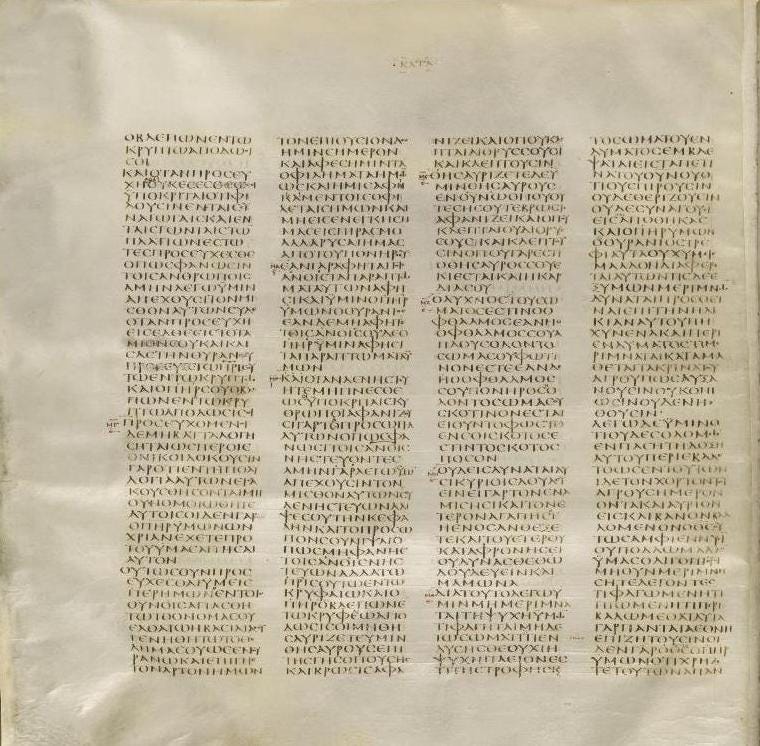
Gall ink was valued for its deep colour, that intensified over time, and for the fact that it is very durable. Once something is written in gall ink, the acidity of the compound etches into the writing surface: it isn’t water soluble and you can’t just rub it away. In fact, for medieval scribes, the only way to recycle a piece of parchment that had been written on (which was worth doing because it is expensive stuff to make), was to scratch away the uppermost surface of the skin itself, taking the ink traces with it. In the very long term, and especially on paper, which is more delicate than parchment, this can make the ink itself the problem. Especially in damp conditions, writing with gall ink can literally eat itself away. But in cool, dry conditions, like a cathedral library, the opposite is true: documents can last for hundreds, even thousands of years, as bright and clear as when they were made, or considering the darkening of the ink, brighter and clearer than when they were made. Some archives have even survived floods, as long as the documents were dried out quickly afterwards. The parchment sheets may be wavy and crooked but the words remain. The Codex Sinaiticus, the oldest known copy of the bible was made with gall ink in the 4th century.
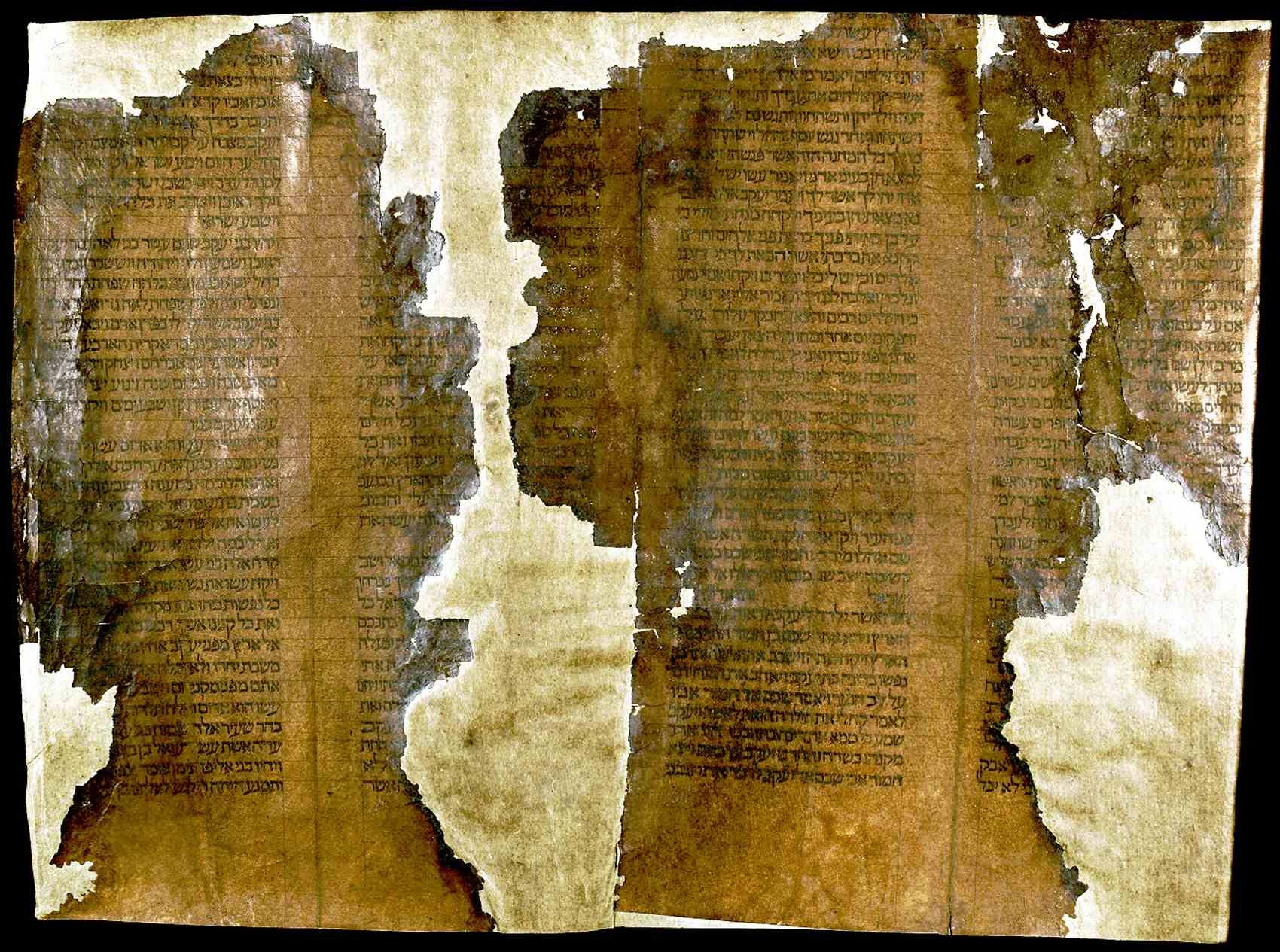
The durability of gall ink gave it a special status with governments and record keepers. Under Jewish law, for example, certain kinds of contract and religious text, including the Torah and marriage and divorce contracts, must be written on parchment using gall ink. I’ve written here (and here) about the Cairo geniza, an unbelievable treasure of documents disposed of by a Jewish community in Egypt from the Middle Ages onwards. One of the reasons so many of the thousands of pieces survived so well was because of the gall ink. Take a look, for example, at this beautiful, decorative marriage contract or kettubba, made in 1852. This Torah scroll from the 13th century was also made using gall ink on parchment.
From a Shropshire lane to a Cairo synagogue, from ink on parchment to an iron trough across a running river… In a few weeks I’ll be meeting new groups of students. South Asia used different inks and had different industries but I’m excited to learn and share new stories (and to share them here).